Pediatric OT, PT, or ST in Florida? TP's contractor network is growing. Explore engagements →
Services/ Infant-Toddler Developmental (ITDS)
Infant-Toddler Developmental · ITDS (0–3)

One steady partner through the earliest years.

ITDS is Florida's early intervention specialty — a single developmental specialist who walks alongside your family across every area of your baby or toddler's growth, delivered in your home through the Early Steps program.

Start the conversation →
Adult hands gently supporting a baby's small foot on a soft blanket

What this looks like at TP.

Common reasons families are matched with an ITDS. If any of these fit your situation, ITDS might be the right starting point.

01

Multiple delays, not sure where to start.

Your baby is behind in more than one area — motor, communication, feeding — and the list of specialists people keep suggesting feels overwhelming.

02

Early Steps already referred you.

Your pediatrician, NICU team, or evaluator sent your child to Florida Early Steps — and ITDS is often the first provider the program recommends.

03

You want one partner, not six.

A single trusted specialist who sees your whole child, coaches your family, and coordinates the rest — rather than juggling multiple providers from day one.

04

The early years feel uncertain.

You're not sure what's typical, what's concerning, and what to do about it. ITDS exists for exactly that uncertainty — and for the medical complexity that doesn't come with a roadmap.

Who we help.

ITDS is specific to babies and toddlers from birth through 3 years, delivered through the Florida Early Steps program. It's the single most common entry point into pediatric therapy for medically complex and developmentally delayed children in Florida.

Age range

0 through 3 only

ITDS is an early intervention specialty. When your child turns 3, services transition out of Early Steps — and we help plan what comes next.

Common referrals

Developmental & medically complex

Developmental delay, prematurity, genetic conditions, cerebral palsy, Down syndrome, early signs of autism, feeding concerns, and children with complex medical histories.

Where sessions happen

Home only

Early Steps is designed around natural environments. Sessions happen at home, in the places where your baby's development is actually unfolding.

How we approach it.

The clinical philosophy that runs through every TP ITDS session.

01

Routines-based

The strongest learning happens in the routines your baby already lives — feeding, diapering, bath, bedtime. We work inside them, not around them.

02

Family coaching

ITDS is coaching, not direct service. We teach you strategies, model them with your baby, and leave you with tools for the hours we're not there.

03

Whole child, whole family

One specialist, one relationship, every developmental domain. That continuity is a feature, not a limitation.

Meet the ITDS team.

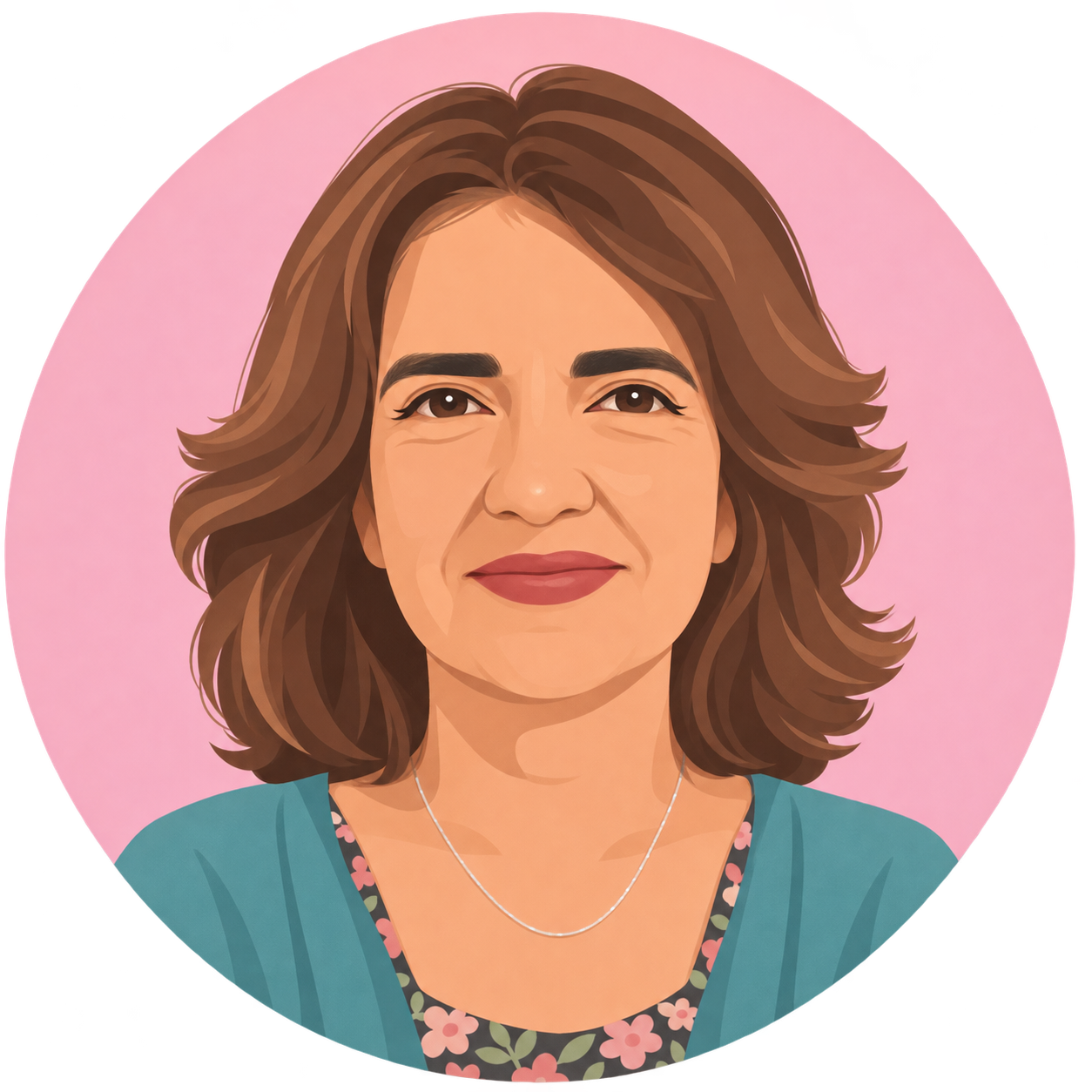
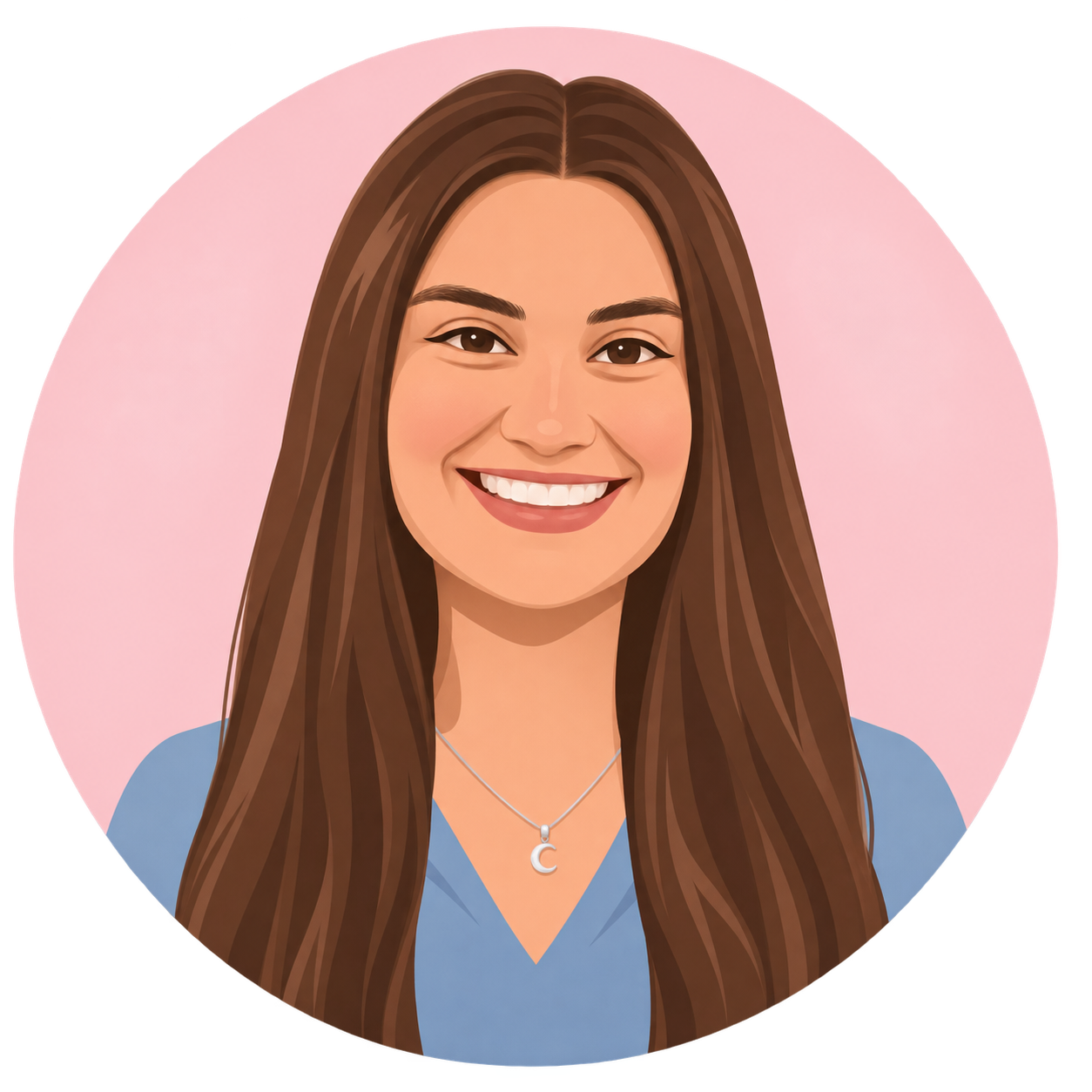
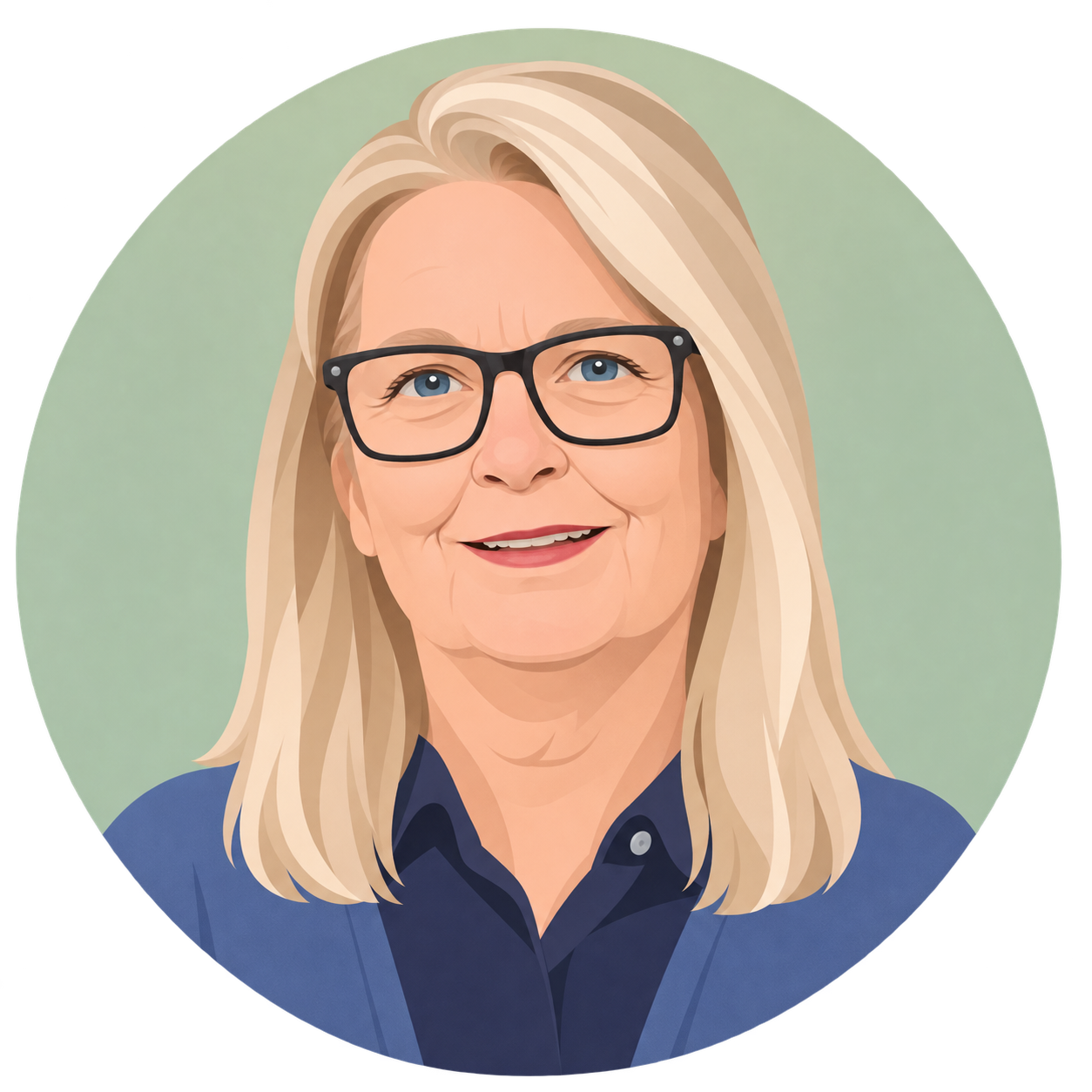
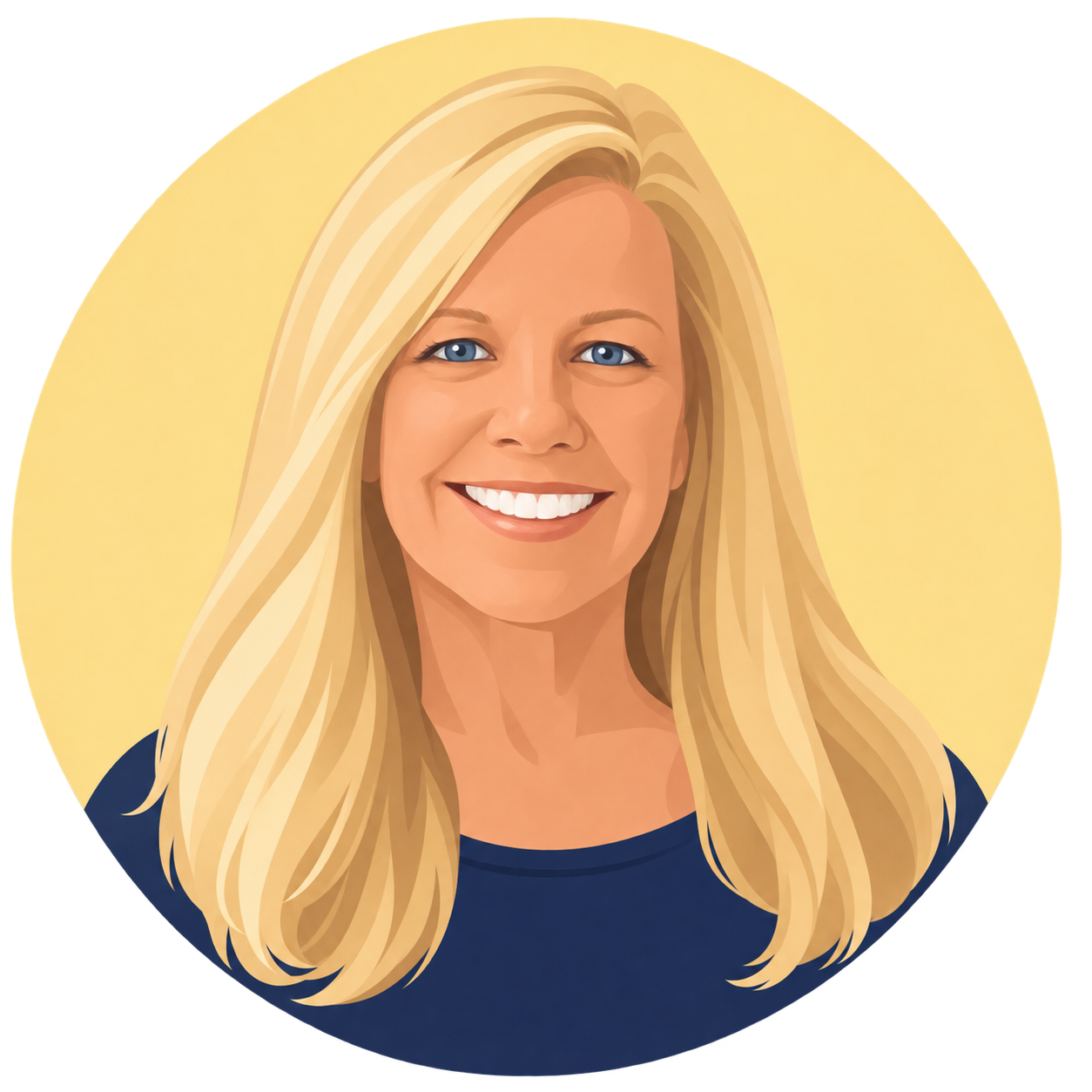
Our Florida-credentialed infant-toddler developmental specialist team. Your family is matched with the right ITDS provider based on location, schedule, and clinical fit.

Katie
Katie
ITDS
Luz
Luz
ITDS · Bilingual
Madison
Madison
ITDS
Margaret
Margaret
ITDS
Marisa
Marisa
ITDS · Multilingual
Monica
Monica
ITDS

Parent questions.

The ones we get asked most often about ITDS and Early Steps.

What's the difference between ITDS and OT, PT, or ST?
OT, PT, and ST are discipline specialties — each focused on a specific area of development. ITDS is a generalist early intervention specialty focused on 0-3. One ITDS provider works across every domain of your baby's development. Some families need just an ITDS; others need an ITDS plus one or more discipline specialists. Early Steps helps determine the right mix.
How do we get into Early Steps?
Your pediatrician, a specialist, a NICU discharge team, or you can self-refer your child to Florida Early Steps. The program evaluates whether your child qualifies, and if so, services begin — often with an ITDS provider as the first match.
How much does it cost?
When your child is enrolled in Early Steps, we bill your approved insurance first — so your out-of-pocket is your plan's normal cost share. For families without approved billing insurance, Early Steps covers ITDS services directly, with a sliding-scale family fee tied to household income. Early Steps walks you through the specifics at intake, and we're happy to help you think it through.
What happens when my child turns 3?
Early Steps ends at age 3. Depending on your child's needs, services may transition to the school district (through an IEP) or to private therapy. TP's OT, PT, and ST teams can often continue care after Early Steps ends — we plan the transition together.
How often do sessions happen?
Frequency is determined by your child's Individualized Family Support Plan (IFSP) through Early Steps. Typical cadence is weekly or every other week, but it varies by need. Sessions are usually 45–60 minutes.
What makes TP's ITDS different?
The same thing that makes the rest of TP different — 26 years of pediatric practice behind every provider, a team of specialists you can escalate to if your child needs more, and a practice that genuinely believes therapy belongs in your home and around your family's rhythm.

Think ITDS might fit your family?

Tell us what you're seeing with your baby. We'll help you figure out whether ITDS, Early Steps, or another path is the right next step.

Start the conversation →